
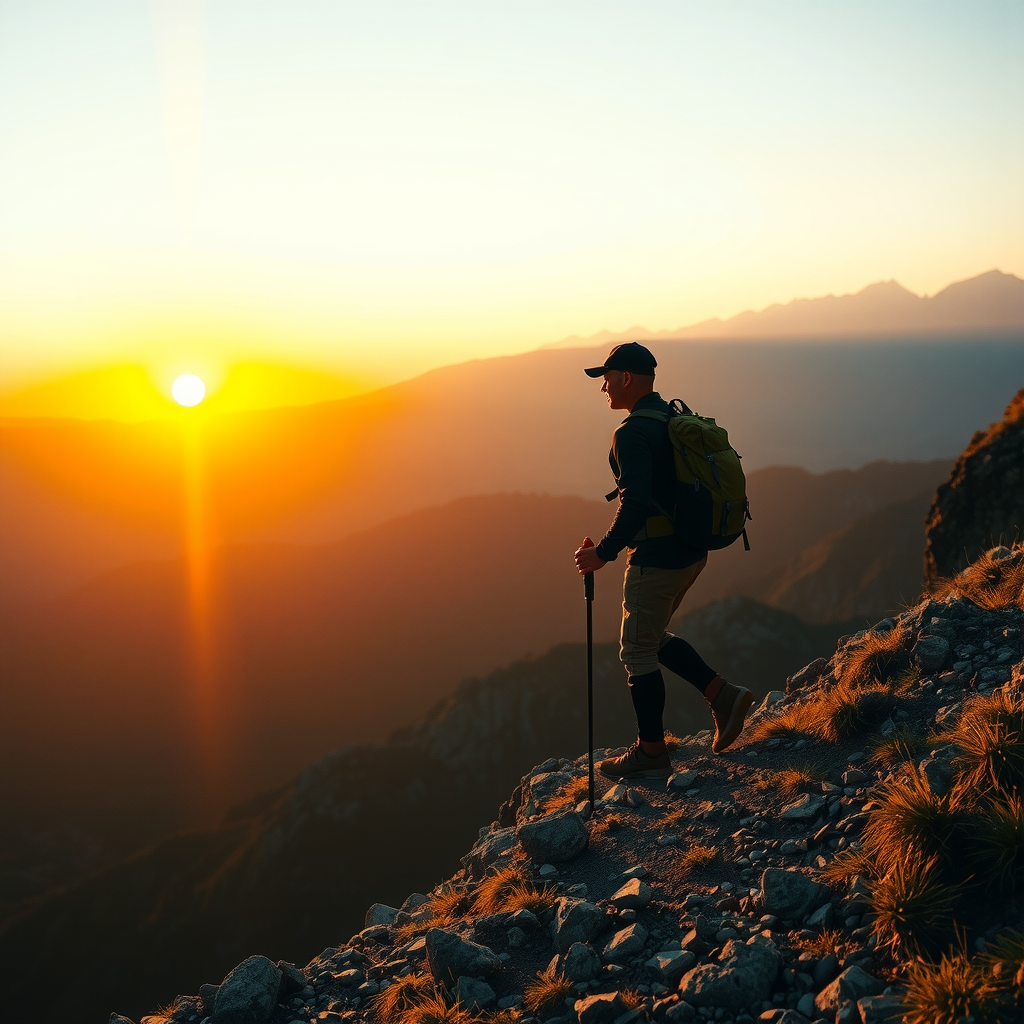
Embarking on solo adventure travel can be one of the most rewarding experiences of your life. The freedom to explore at your own pace, the opportunity to connect with yourself and nature, and the thrill of discovering new places independently create unforgettable memories. However, safety should always be your top priority when venturing into the wilderness alone.
Thorough Destination Research
Before setting foot on any trail or booking your adventure, invest significant time in researching your destination. Understanding the terrain, weather patterns, and potential hazards can make the difference between a successful trip and a dangerous situation.
Start by studying detailed topographic maps and trail guides. Familiarize yourself with elevation changes, water sources, and potential camping spots. Check recent trip reports from other travelers who have visited the area, paying special attention to any warnings about trail conditions, wildlife encounters, or weather-related challenges.
Pro Tip: Download offline maps and trail information before you leave. Cell service is often unreliable in remote areas, and having digital backups can be a lifesaver.
Research local regulations, permit requirements, and seasonal restrictions. Many popular hiking and camping areas require advance reservations or have specific rules about campfires, food storage, and waste disposal. Understanding these requirements beforehand ensures you stay compliant and helps protect the natural environment.
Communication Strategies for Remote Areas
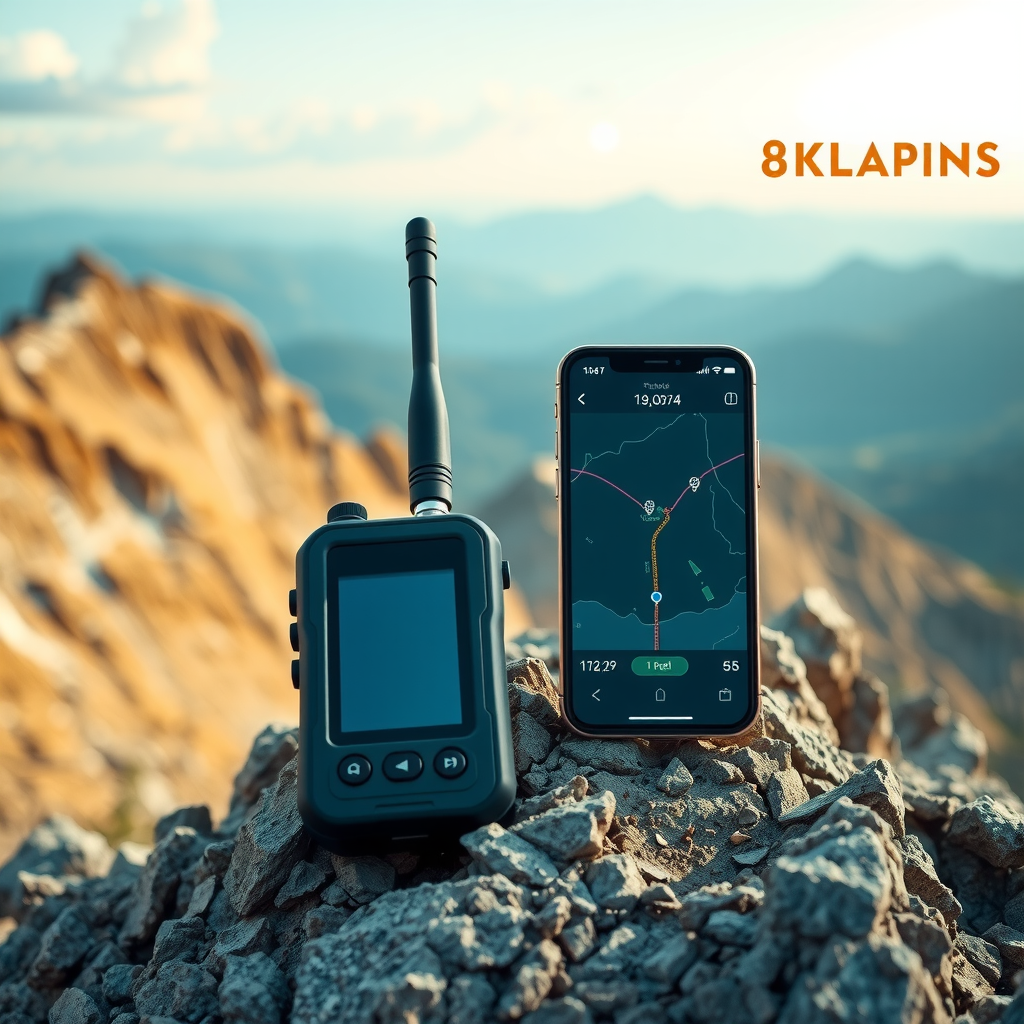
Maintaining communication capabilities while exploring remote areas is crucial for solo travelers. While disconnecting from technology is part of the adventure appeal, having reliable emergency communication options provides essential safety backup.
Consider investing in a satellite communication device such as a personal locator beacon (PLB) or satellite messenger. These devices allow you to send emergency signals or text messages even when completely outside cellular coverage. Share your detailed itinerary with trusted contacts before departing, including planned routes, campsites, and expected return dates.
Establish a check-in schedule with someone back home. Agree on specific times when you'll make contact, and ensure they know what to do if you miss a scheduled check-in. This simple system creates a safety net without requiring constant communication.
Emergency Preparedness Essentials
Proper emergency preparedness goes far beyond carrying a first aid kit. Solo adventurers must be self-sufficient and ready to handle various scenarios without immediate outside help.
Pack a comprehensive first aid kit tailored to your specific activities and destination. Include supplies for treating blisters, cuts, sprains, and potential allergic reactions. Take a wilderness first aid course to learn how to handle healthcare emergencies when professional help is hours or days away. Understanding basic wound care, fracture stabilization, and recognizing signs of hypothermia or heat exhaustion can be life-saving.
Medical Supplies
- Comprehensive first aid kit
- Personal medications
- Blister treatment supplies
- Pain relievers and anti-inflammatories
- Emergency blanket
Survival Gear
- Multi-tool or knife
- Fire-starting equipment
- Emergency shelter materials
- Water purification system
- Headlamp with extra batteries
Always carry extra food, water, and clothing beyond what you expect to need. Weather can change rapidly in outdoor environments, and unexpected delays happen. Having surplus supplies provides a crucial buffer if you need to spend an unplanned night outdoors or if your trip takes longer than anticipated.
Understanding and Respecting Local Customs
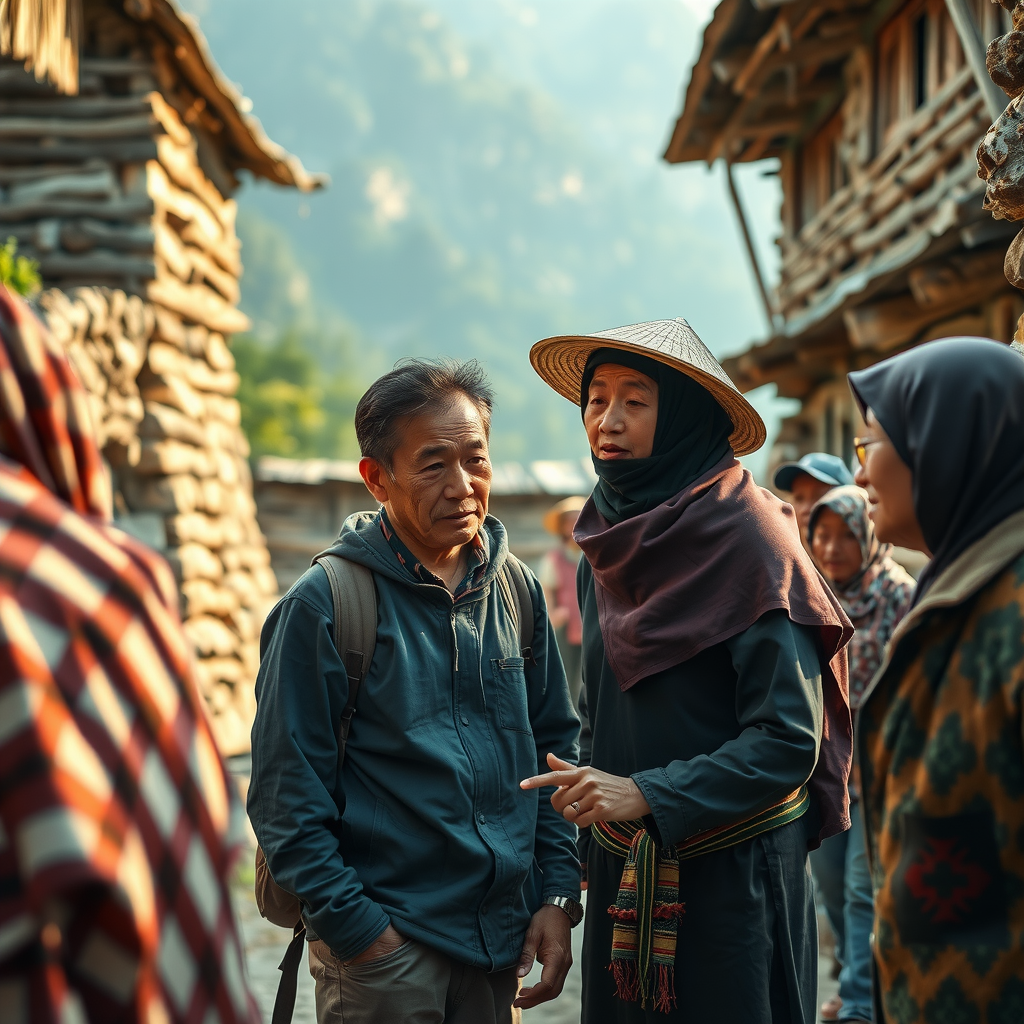
When your adventures take you through inhabited areas or regions with indigenous communities, cultural awareness becomes an essential safety consideration. Respecting local customs not only enriches your travel experience but also helps ensure positive interactions and personal safety.
Research cultural norms before arriving in a new region. Understand appropriate dress codes, photography etiquette, and social behaviors. Some cultures have specific expectations about interactions between strangers, particularly regarding solo travelers. Being aware of these norms helps you navigate social situations confidently and respectfully.
Learn basic phrases in the local language. Even simple greetings and expressions of gratitude demonstrate respect and can open doors to meaningful connections. Locals often appreciate the effort and may be more willing to offer assistance or advice when needed.
Be mindful of sacred sites and protected areas. Many outdoor destinations hold spiritual or cultural significance for local communities. Follow posted guidelines, stay on designated trails, and avoid disturbing archaeological or religious sites. This respect preserves these important places and maintains positive relationships between travelers and local residents.
Connecting with Fellow Travelers Safely
While solo travel offers independence, connecting with other adventurers can enhance safety and create memorable experiences. The key is balancing social opportunities with personal security awareness.
Join online communities and forums dedicated to your destination or activity. These platforms allow you to connect with like-minded travelers, share information, and potentially coordinate meetups in safe, public settings. Many solo travelers find hiking partners or camping companions through these networks, creating temporary adventure groups that provide mutual support.
Safety First: When meeting new people on the trail, trust your instincts. Share general information about your plans but avoid disclosing specific details about where you're camping or your exact itinerary until you feel comfortable.
Stay at established campgrounds or hostels when possible. These locations provide opportunities to meet other travelers in controlled environments with staff present. Many outdoor enthusiasts share valuable local knowledge, trail conditions, and safety tips in these communal settings.
Consider joining guided group activities for particularly challenging or remote sections of your journey. Professional guides provide expertise and safety oversight while still allowing you to maintain your independent travel style for other portions of your trip.
Wildlife Safety and Environmental Awareness
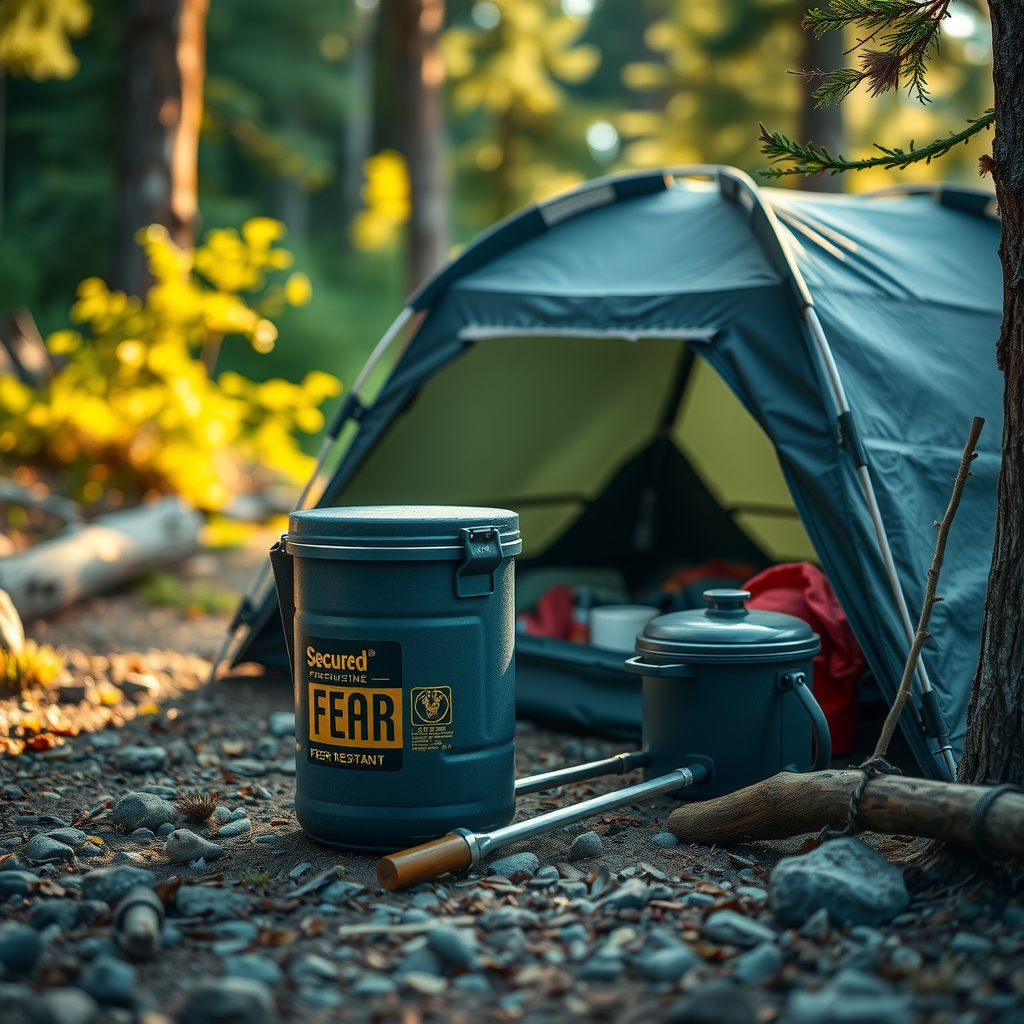
Understanding wildlife behavior and environmental hazards is crucial for solo outdoor adventurers. Different regions present unique challenges, from large predators to venomous creatures and plant hazards.
Research the wildlife species present in your destination area. Learn to identify tracks, scat, and signs of animal activity. Understand proper food storage techniques, whether that means using bear canisters, hanging food bags, or utilizing provided storage lockers. Never approach or feed wildlife, regardless of how docile animals may appear.
Carry appropriate wildlife deterrents for your destination. This might include bear spray in grizzly country, snake gaiters in areas with venomous reptiles, or insect repellent in regions with disease-carrying mosquitoes or ticks. Know how to properly use these tools before you need them in an emergency.
Be aware of environmental hazards beyond wildlife. Learn to identify poisonous plants, understand avalanche risk assessment if traveling in snowy terrain, and recognize signs of changing weather that could indicate dangerous conditions. Solo travelers must be their own early warning system for environmental threats.
Physical Preparation and Fitness
Solo adventure travel demands excellent physical conditioning and honest self-assessment of your capabilities. Without companions to assist if you overextend yourself, maintaining appropriate fitness levels and choosing suitable challenges becomes paramount.
Train specifically for your planned activities. If you're planning a multi-day backpacking trip, practice hiking with a loaded pack. For cycling adventures, build endurance through progressively longer rides. Strength training, cardiovascular fitness, and flexibility all contribute to injury prevention and overall performance.
Start with shorter, less challenging adventures to build experience and confidence. Gradually increase difficulty as your skills and fitness improve. This progressive approach allows you to learn your limits in controlled situations before tackling more demanding expeditions.
Listen to your body and know when to turn back. Summit fever and destination fixation cause many outdoor accidents. Solo travelers must be especially disciplined about recognizing when conditions, fatigue, or other factors make continuing unsafe. There's no shame in retreating to try another day.
Navigation Skills and Technology
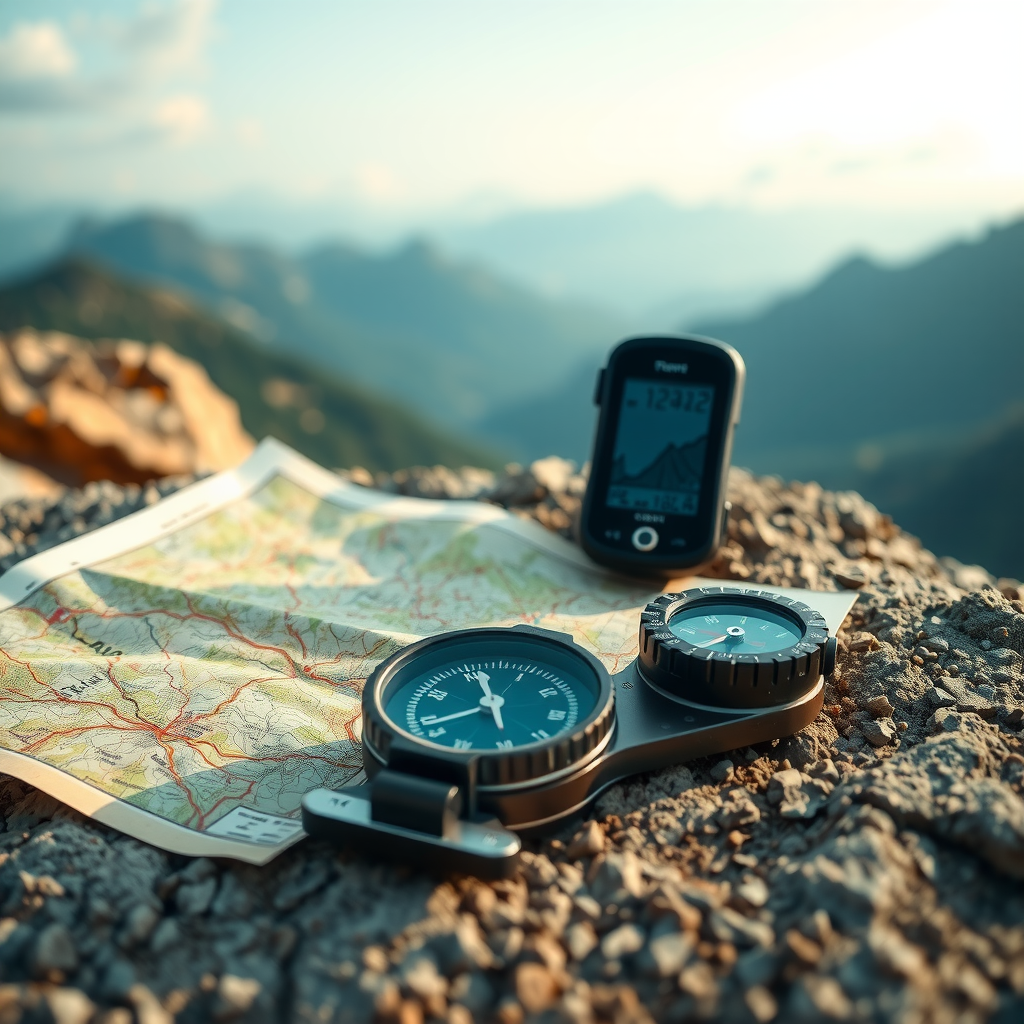
Strong navigation skills are non-negotiable for solo adventurers. Getting lost in remote areas can quickly become life-threatening, especially when traveling alone without backup support.
Master traditional navigation using map and compass. While GPS devices and smartphone apps are valuable tools, they depend on batteries and satellite signals that can fail. Understanding how to read topographic maps, take bearings, and triangulate your position using landmarks provides reliable backup navigation capability.
Carry multiple navigation tools and know how to use each one. Bring a physical map and compass as primary tools, supplemented by a GPS device and smartphone with downloaded offline maps. This redundancy ensures you can navigate even if one system fails.
Practice navigation skills in familiar areas before relying on them in remote locations. Take navigation courses or join orienteering clubs to develop proficiency. The confidence that comes from strong navigation skills allows you to explore more freely while maintaining safety.
Mental Preparation and Solo Travel Psychology
The psychological aspects of solo adventure travel are often overlooked but critically important. Mental preparedness can be just as crucial as physical fitness and technical skills.
Prepare for solitude and potential loneliness. Extended periods alone in nature affect people differently. Some find it meditative and rejuvenating, while others struggle with isolation. Start with shorter solo trips to understand your psychological response before committing to extended expeditions.
Develop mental strategies for managing fear and anxiety. Solo travel naturally involves moments of uncertainty or concern. Having techniques like controlled breathing, positive self-talk, and rational risk assessment helps you manage these emotions productively rather than letting them escalate into panic.
Stay mentally engaged and maintain situational awareness. Boredom or mental fatigue can lead to poor decision-making. Keep your mind active by observing your surroundings, identifying plants and wildlife, or practicing mindfulness. This mental engagement helps you notice important details and respond appropriately to changing conditions.
Ready to Start Your Solo Adventure?
Ozak Travel offers expert guidance and resources for solo travelers. Our community of experienced adventurers is here to support your journey.
Final Thoughts
Solo adventure travel offers unparalleled opportunities for personal growth, self-discovery, and connection with nature. By prioritizing safety through thorough preparation, maintaining communication capabilities, respecting local customs, and developing essential skills, you can confidently explore the world's most beautiful and remote places.
Remember that safety doesn't mean eliminating all risk—it means managing risk intelligently. Every adventure involves some uncertainty, and that's part of what makes it exciting. The goal is to make informed decisions, prepare thoroughly, and maintain awareness so you can handle challenges when they arise.
Start small, build your skills progressively, and always prioritize safety over achievement. The mountains, trails, and wild places will always be there for another attempt. Your most important responsibility as a solo adventurer is ensuring you return safely to plan your next journey.
Safe travels, and may your adventures be filled with wonder, growth, and unforgettable experiences. The world is waiting for you to explore it—just remember to do so wisely and safely.