Cultural Festivals Worth Planning Your Trip Around in 2026
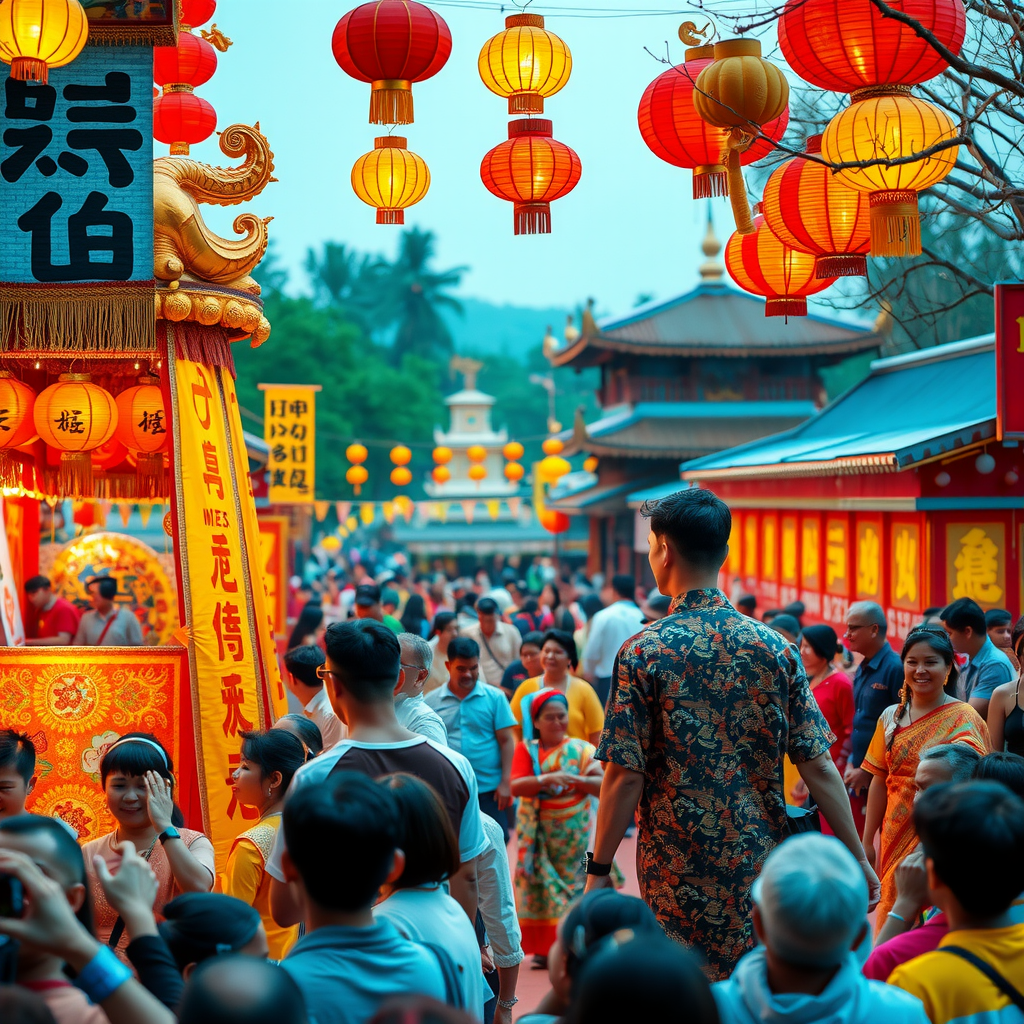
There's something magical about experiencing a destination during its most vibrant celebrations. Cultural festivals offer travelers a unique window into the heart and soul of a community, where centuries-old traditions come alive through music, dance, food, and shared joy. As we look ahead to 2026, we've curated a comprehensive guide to the world's most spectacular cultural celebrations that deserve a spot on your travel calendar.
Spring Celebrations: Renewal and Rebirth
Hanami: Japan's Cherry Blossom Festival (Late March - Early April)
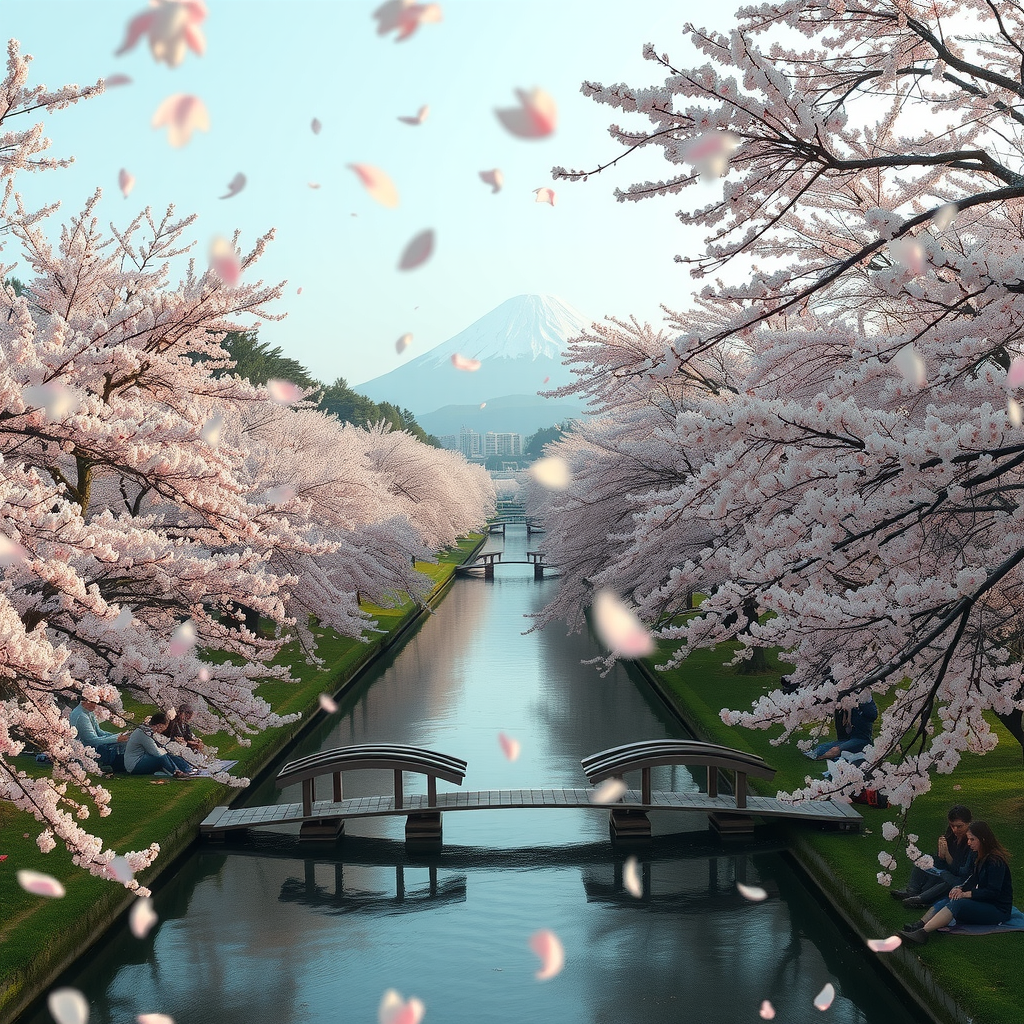
The arrival of spring in Japan is marked by one of nature's most breathtaking displays. Hanami, the centuries-old tradition of flower viewing, transforms the entire country into a pink and white wonderland. From late March through early April, millions of cherry trees burst into bloom, creating ethereal tunnels of delicate petals.
Tokyo's Ueno Park becomes a sea of picnic blankets as locals and visitors gather beneath the blossoms for traditional hanami parties. In Kyoto, the Philosopher's Path offers a more contemplative experience, with cherry trees creating a natural canopy over the canal. For the ultimate experience, visit Yoshino Mountain in Nara Prefecture, home to over 30,000 cherry trees that bloom in waves across the mountainside.
Insider Tip:
Book accommodations at least six months in advance. The Japan Meteorological Corporation releases cherry blossom forecasts in January, helping you time your visit perfectly.
Holi: India's Festival of Colors (March)
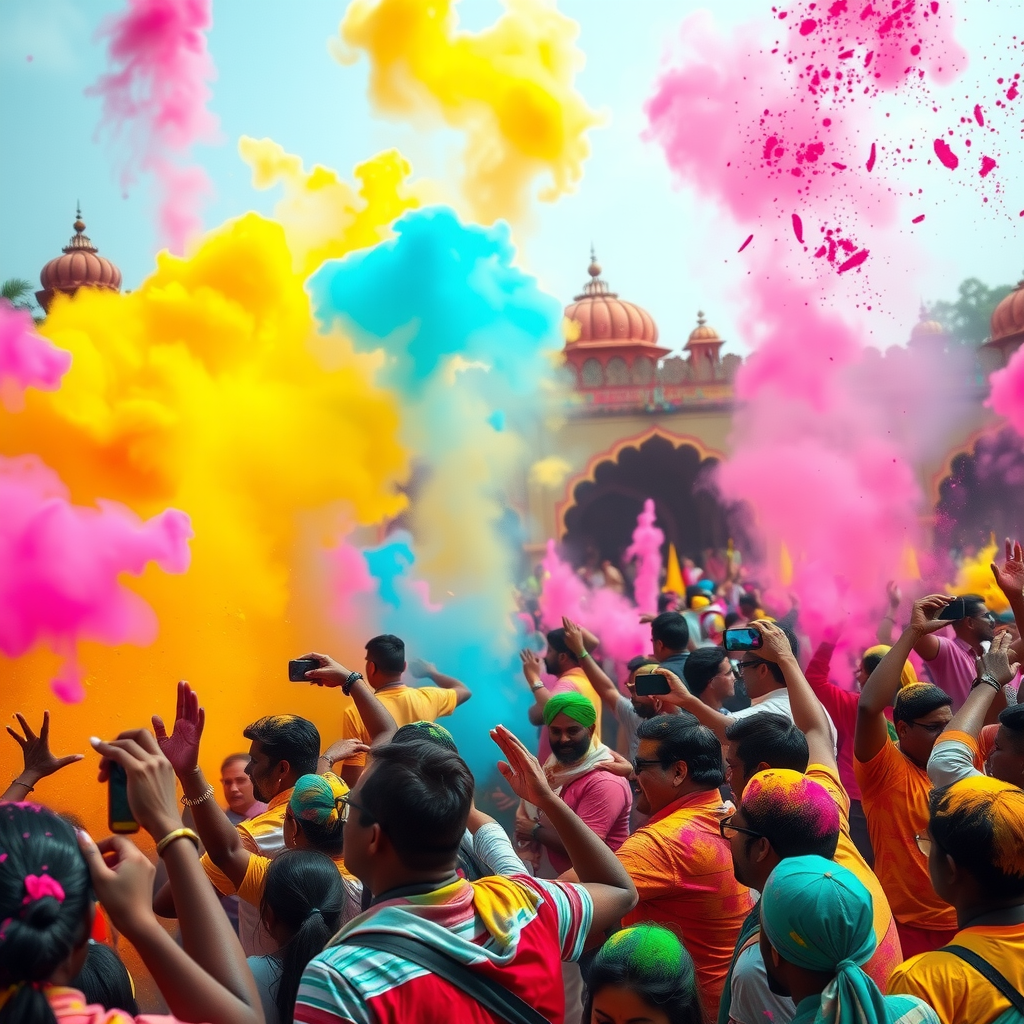
Holi explodes across India in a riot of color, music, and unbridled joy. This ancient Hindu festival celebrates the victory of good over evil and the arrival of spring. What begins as a religious observance quickly transforms into the world's most exuberant paint fight, where social barriers dissolve in clouds of vibrant gulal powder.
Mathura and Vrindavan, the birthplace and childhood home of Lord Krishna, host the most authentic celebrations. Here, festivities extend over several days, featuring traditional folk songs, dance performances, and the famous Lathmar Holi, where women playfully beat men with sticks. In Jaipur, the royal family hosts a grand celebration at the City Palace, complete with elephant processions and traditional Rajasthani music.
The streets of Mumbai and Delhi transform into kaleidoscopes of color, with impromptu dance parties erupting on every corner. Locals and tourists alike embrace the spirit of the festival, dousing each other with colored water and powder while shouting "Holi hai!" (It's Holi!).
Summer Spectacles: Sun-Soaked Celebrations
La Tomatina: Spain's Tomato Battle (Last Wednesday of August)
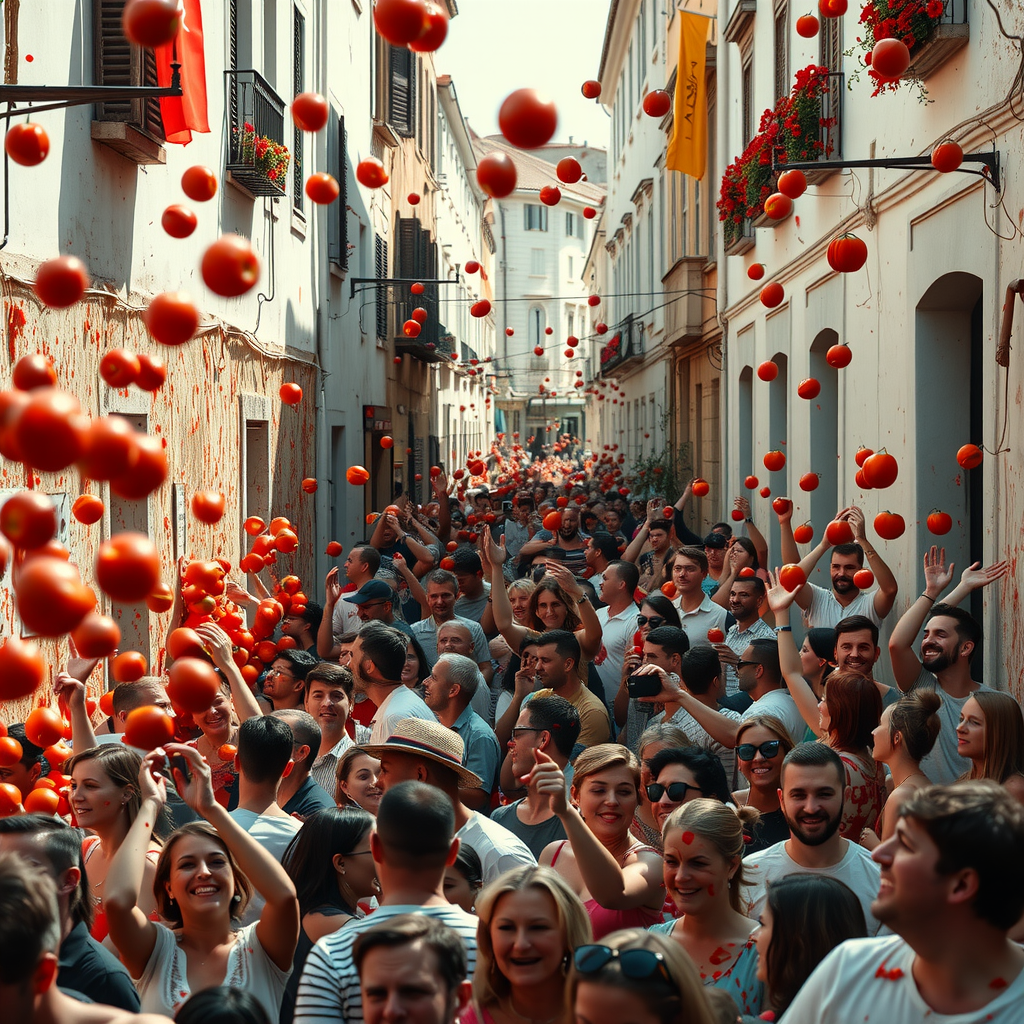
In the small Valencian town of Buñol, approximately 20,000 participants gather annually for what might be the world's largest food fight. La Tomatina sees over 150,000 tomatoes hurled through the air in just one hour of organized chaos. What started as a spontaneous street brawl in 1945 has evolved into an internationally recognized festival that attracts visitors from over 100 countries.
The festivities begin with the "palo jabón," where brave souls attempt to climb a greased pole to retrieve a ham. Once successful, trucks loaded with overripe tomatoes enter the Plaza del Pueblo, and at the sound of a water cannon, the battle commences. The rules are simple: squash tomatoes before throwing, and stop immediately when the second cannon fires.
Edinburgh Festival Fringe (August)
Every August, Scotland's capital transforms into the world's largest arts festival, hosting over 3,500 shows across 300 venues. The Fringe began in 1947 when eight theatre groups showed up uninvited to the Edinburgh International Festival, and it has since grown into a cultural phenomenon that defines the city's summer identity.
From experimental theatre in converted warehouses to stand-up comedy in underground vaults, the Fringe offers an unparalleled diversity of performances. Street performers line the Royal Mile, creating an electric atmosphere that pulses through the city from morning until late night. Emerging artists share stages with established performers, and tomorrow's cultural icons are discovered in intimate venues holding fewer than fifty people.
Best Time to Visit
Plan your trip during the first two weeks for the best selection of shows and slightly smaller crowds.
Ticket Strategy
Many shows offer half-price tickets on the day of performance. Queue early at the Half Price Hut on the Mound.
Autumn Harvests: Gratitude and Abundance
Oktoberfest: Munich's Beer Festival (Late September - Early October)
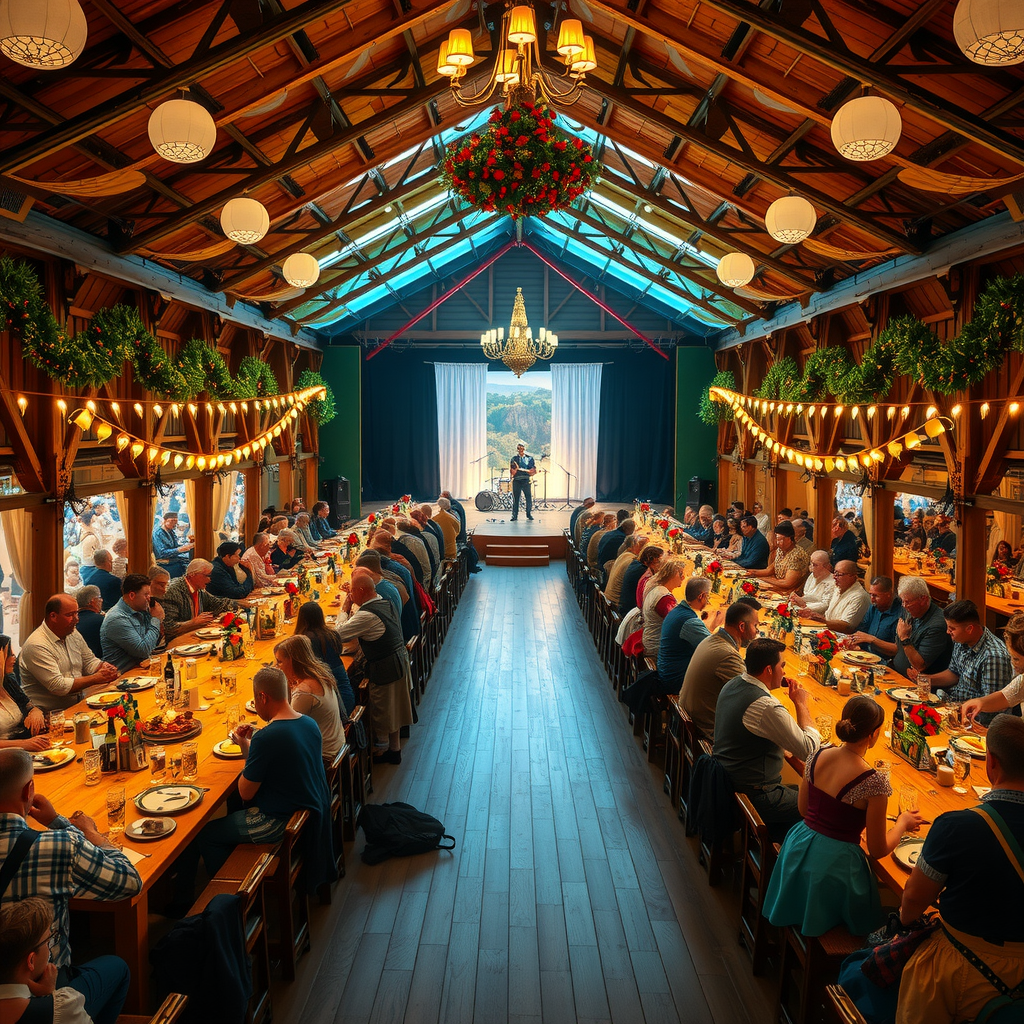
The world's largest folk festival draws over six million visitors to Munich's Theresienwiese each year. What began in 1810 as a royal wedding celebration has evolved into a 16-day extravaganza of Bavarian culture, featuring traditional music, folk dancing, and, of course, exceptional beer served in massive one-liter steins.
Fourteen large tents and twenty smaller ones create a temporary city of celebration, each operated by different Munich breweries and offering distinct atmospheres. The Hofbräu tent attracts an international crowd with its party atmosphere, while Augustiner-Bräu maintains a more traditional, local feel. Beyond the beer, visitors can enjoy authentic Bavarian cuisine, from crispy pork knuckles to giant pretzels, and experience carnival rides that light up the Munich sky.
Diwali: India's Festival of Lights (October/November)
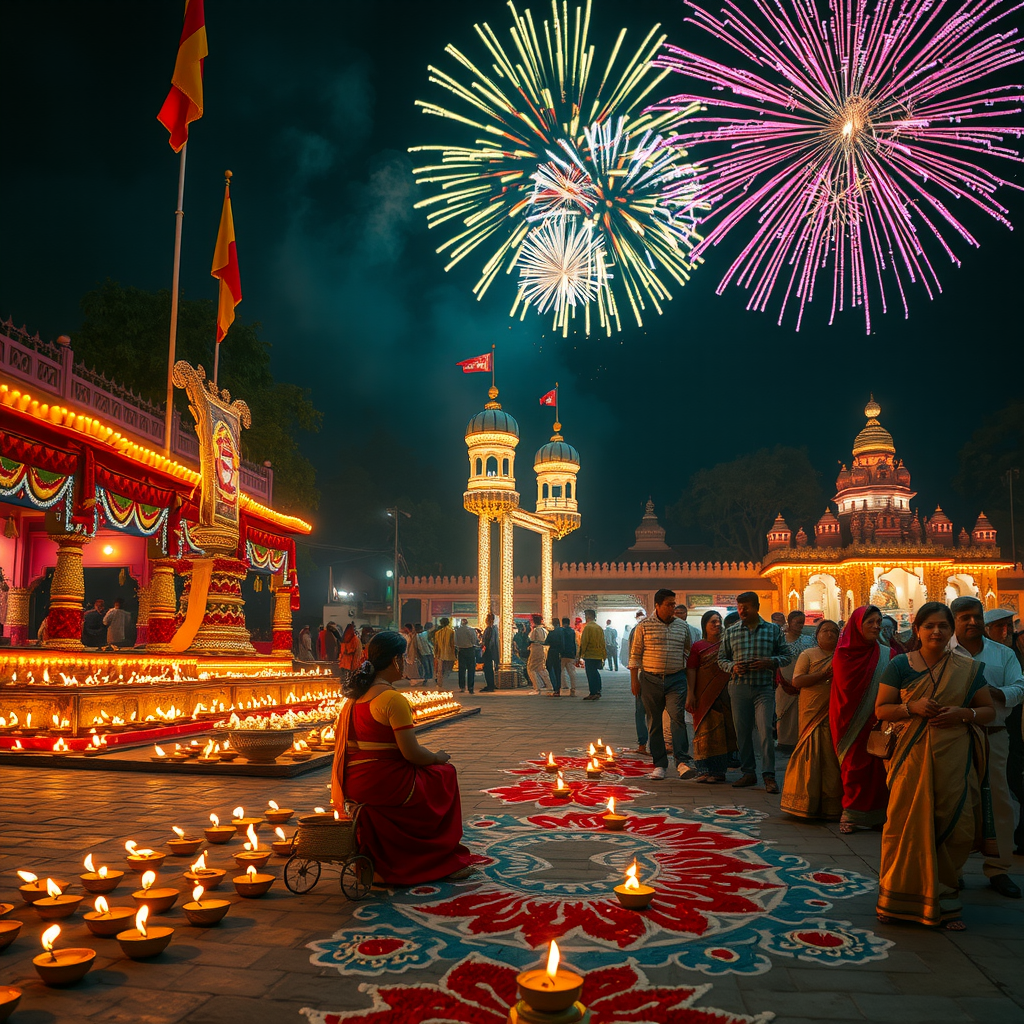
Diwali transforms India into a constellation of lights, celebrating the triumph of light over darkness and good over evil. This five-day festival is observed by Hindus, Sikhs, and Jains across the country, each community adding its own traditions to the celebration.
In Varanasi, the ghats along the Ganges River become a mesmerizing display of floating diyas (oil lamps), their reflections dancing on the sacred waters. Jaipur's markets overflow with handcrafted lanterns, colorful rangoli designs, and traditional sweets. The Golden Temple in Amritsar illuminates with thousands of lights, creating one of the most photographed scenes of the festival.
Families clean and decorate their homes, create intricate rangoli patterns at their doorsteps, and light diyas to welcome Lakshmi, the goddess of wealth and prosperity. The night sky explodes with fireworks, and the air fills with the aroma of traditional sweets and savory snacks shared among neighbors and friends.
Winter Wonders: Warmth in the Cold
Carnival: Rio de Janeiro's Ultimate Party (February/March)
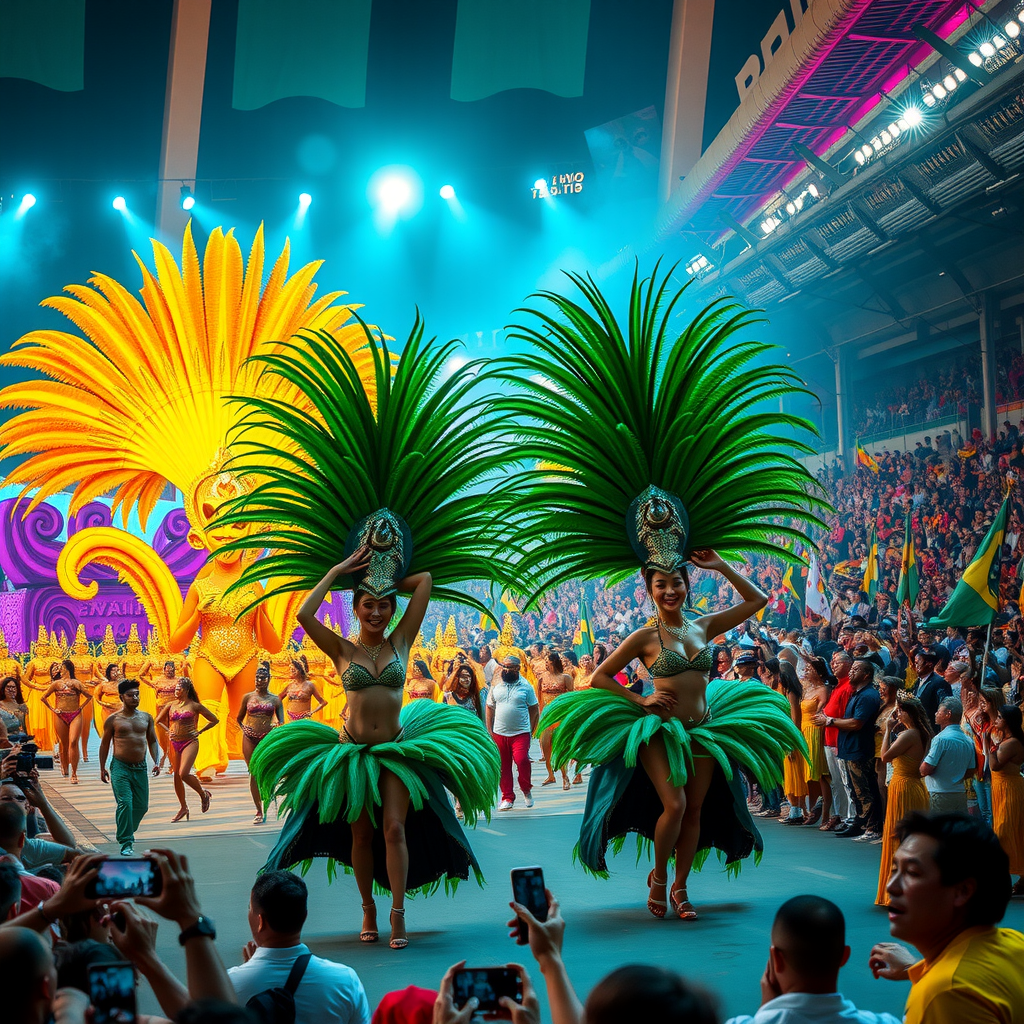
Rio's Carnival is the ultimate expression of Brazilian joy and creativity. For five days before Lent, the city surrenders to samba rhythms, elaborate costumes, and non-stop celebration. The Sambadrome parade showcases the year-long preparation of Rio's samba schools, with each presenting a themed spectacle involving thousands of performers, massive floats, and intricate choreography.
Beyond the official parades, street parties called "blocos" take over neighborhoods throughout the city. These free, open-air celebrations range from intimate gatherings to massive crowds of hundreds of thousands. The Cordão da Bola Preta, one of the oldest blocos, attracts over a million revelers to downtown Rio, while the Banda de Ipanema brings drag queens and glitter to the upscale beach neighborhood.
Harbin Ice and Snow Festival: China (January - February)
In China's northernmost major city, where winter temperatures plunge to -25°C (-13°F), artists transform blocks of ice harvested from the frozen Songhua River into a frozen wonderland. The Harbin Ice and Snow Festival features full-scale buildings, intricate sculptures, and massive ice slides, all illuminated with colorful LED lights that create an otherworldly atmosphere.
The festival spans multiple sites, including Ice and Snow World, which showcases enormous ice architecture replicas of famous buildings from around the world. Sun Island hosts the Snow Sculpture Art Expo, featuring massive snow sculptures that demonstrate incredible artistic skill. The Zhaolin Park Ice Lantern Fair offers a more intimate experience with traditional ice lanterns and smaller-scale sculptures.
Planning Your Festival Journey
Attending cultural festivals requires careful planning to ensure the best experience. Here are essential tips for festival travelers:
- Book Early:Accommodations near festival sites fill up months in advance. Consider staying slightly outside the main area for better availability and prices.
- Research Local Customs:Understanding cultural significance and appropriate behavior shows respect and enhances your experience.
- Pack Appropriately:Festival-specific items like white clothing for Holi or warm layers for Harbin can make or break your experience.
- Stay Flexible:Festivals are dynamic events. Weather, crowds, and spontaneous celebrations may require adjusting your plans.
- Engage with Locals:The best festival experiences often come from conversations and connections with local participants.
Making the Most of Your Festival Experience
Cultural festivals offer more than entertainment; they provide profound insights into the values, history, and spirit of communities. To truly immerse yourself in these celebrations, arrive a few days early to understand the context and preparation. Participate actively rather than just observing—whether that means dancing in the streets during Carnival, helping create rangoli patterns during Diwali, or joining a hanami picnic in Japan.
Document your experiences thoughtfully, balancing photography with present-moment awareness. Some of the most memorable festival moments happen when you put down your camera and fully engage with the celebration around you. Connect with other travelers and locals, sharing stories and creating friendships that often last long after the festival ends.
Sustainable Festival Tourism
As festival tourism grows, so does our responsibility to celebrate sustainably. Choose accommodations and tour operators committed to environmental and cultural preservation. Respect local communities by following festival guidelines, supporting local businesses, and leaving no trace. Many festivals now incorporate eco-friendly initiatives, from biodegradable color powders at Holi to recycling programs at Oktoberfest.
Consider the impact of your presence and make choices that benefit local communities. Purchase authentic handicrafts directly from artisans, eat at family-owned restaurants, and hire local guides who can provide deeper cultural context. Your festival experience becomes more meaningful when it contributes positively to the communities that welcome you.
Start Planning Your 2026 Festival Adventure
Cultural festivals represent humanity at its most joyful and creative. They remind us of our shared capacity for celebration, our diverse expressions of gratitude, and our universal desire to come together in community. Whether you're drawn to the serene beauty of cherry blossoms, the exuberant chaos of La Tomatina, or the spiritual illumination of Diwali, 2026 offers countless opportunities to experience the world's most vibrant celebrations.
The festivals highlighted here represent just a fraction of the cultural celebrations happening worldwide. Each offers a unique window into the soul of a place and its people. As you plan your travels for 2026, consider timing your journey to coincide with these extraordinary events. The memories you create, the connections you forge, and the perspectives you gain will enrich your life long after the festival lights have dimmed and the music has faded.