
The Rise of Digital Nomad Visas
Since 2020, over 50 countries have launched digital nomad visa programs, recognizing the economic potential of attracting remote workers. These specialized visas allow professionals to live and work legally in foreign countries while maintaining employment with companies based elsewhere. The trend has accelerated dramatically, with applications increasing by 340% in the past two years alone.
The appeal is mutual: digital nomads gain the freedom to experience new cultures while maintaining their careers, and host countries benefit from increased spending without taking local jobs. This symbiotic relationship is creating vibrant international communities in destinations previously overlooked by traditional tourism.
Key Statistics
- 35 million digital nomads worldwide as of 2025
- Average stay duration: 6-12 months per destination
- Estimated economic contribution: $787 billion annually
- Most popular age group: 28-38 years old
Portugal: The European Pioneer
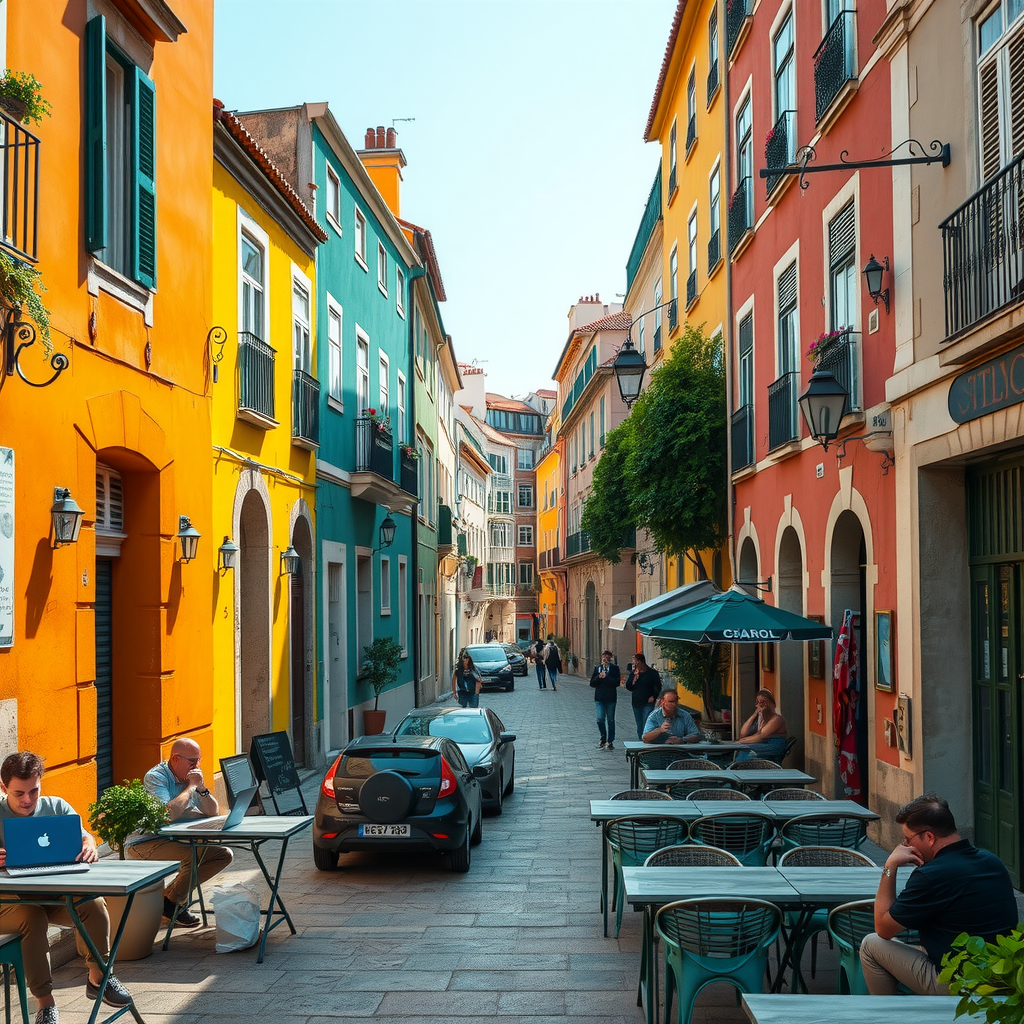
Portugal has emerged as the gold standard for digital nomad destinations, particularly in Lisbon and Porto. The country's D7 visa and the newer Digital Nomad Visa offer pathways for remote workers to establish residency with relatively straightforward requirements.
Application Requirements:
- Proof of remote employment or freelance contracts
- Minimum monthly income of €2,800 (approximately $3,050)
- Valid coverage coverage
- Clean criminal record
- Proof of accommodation in Portugal
Living Costs:Monthly expenses in Lisbon typically range from $1,800 to $3,200, depending on lifestyle choices. This includes accommodation in trendy neighborhoods like Príncipe Real or Alfama, coworking space memberships, and daily expenses. Porto offers similar amenities at approximately 20% lower costs.
The Portuguese digital nomad community has flourished, with dedicated coworking spaces like Second Home Lisboa and numerous networking events. Sarah Mitchell, a software developer from Canada who relocated to Lisbon in 2024, shares: "The combination of affordable living, excellent infrastructure, and a welcoming international community made Portugal an easy choice. I've connected with professionals from 30 different countries just in my coworking space."
Croatia: Adriatic Paradise for Remote Workers
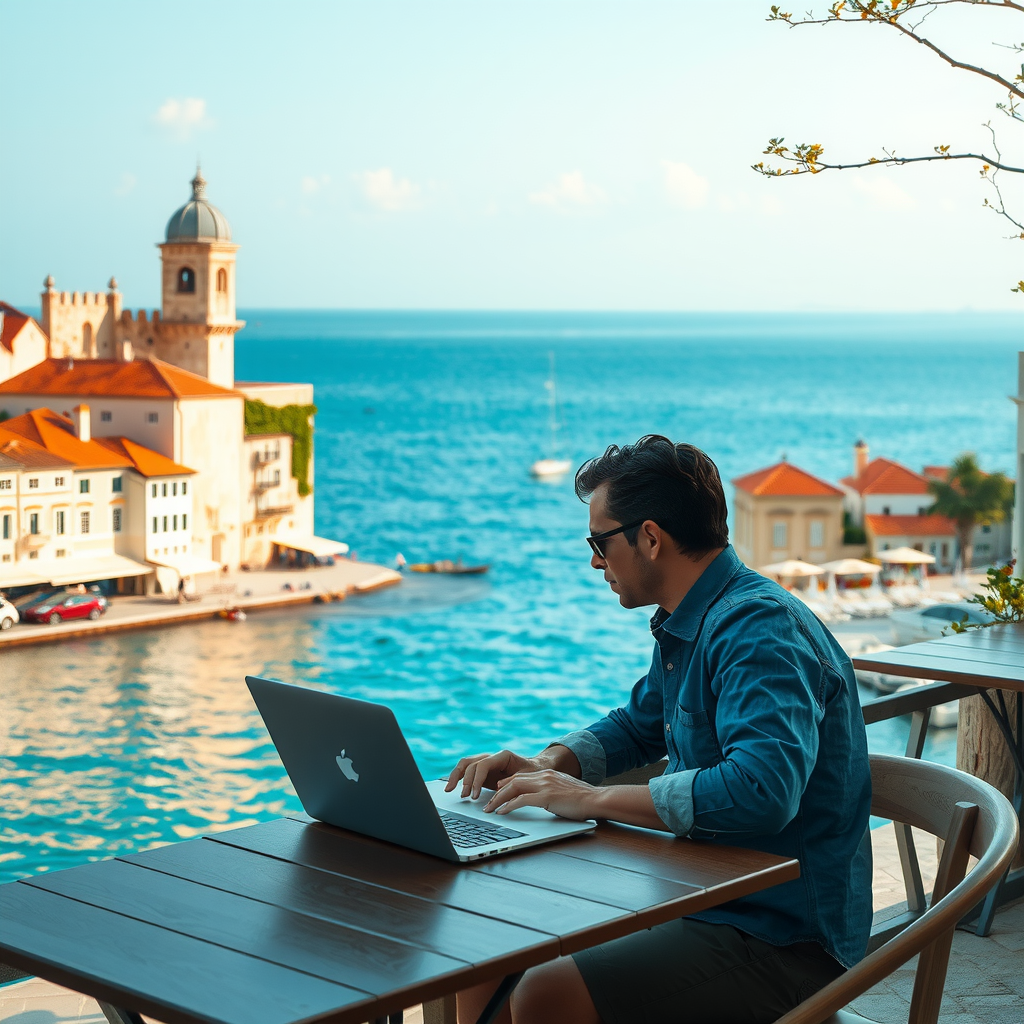
Croatia launched its digital nomad visa program in 2021, quickly becoming a favorite among remote workers seeking Mediterranean charm combined with Central European efficiency. The program allows stays of up to one year, with the possibility of renewal.
Application Requirements:
- Proof of employment with a foreign company or ownership of a foreign company
- Minimum monthly income of €2,300 (approximately $2,500)
- Health insurance valid in Croatia
- Proof of accommodation or sufficient funds for accommodation
- No intention to work for Croatian employers
Living Costs:Split and Dubrovnik offer monthly living expenses ranging from $1,500 to $2,800. Zagreb, the capital, provides urban amenities at similar price points. Coastal cities command premium prices during summer months (June-September) but offer significant discounts in shoulder seasons.
Marcus Weber, a digital marketing consultant from Germany, chose Split as his base: "Croatia offers the perfect balance of work and lifestyle. The Adriatic coast provides endless weekend exploration opportunities, while the digital infrastructure rivals any major European city. The tax benefits for the first year are an added bonus."
Costa Rica: Tropical Innovation Hub

Costa Rica's "Rentista" program has evolved to specifically accommodate digital nomads, offering a unique blend of tropical paradise and modern infrastructure. The country's commitment to sustainability and "Pura Vida" lifestyle attracts environmentally conscious remote workers.
Application Requirements:
- Proof of stable monthly income of at least $3,000 for individuals ($4,000 for families)
- Valid coverage with coverage in Costa Rica
- Clean criminal background check
- Proof of remote work arrangement
- Initial visa valid for one year, renewable for an additional year
Living Costs:Popular digital nomad hubs like Tamarindo, Santa Teresa, and San José offer monthly expenses ranging from $2,000 to $3,500. This includes beachfront or mountain accommodations, coworking memberships, and the higher cost of imported goods. However, local produce and services remain affordable.
The community aspect is particularly strong in Costa Rica. Jennifer Park, a content creator from South Korea, explains: "The digital nomad scene here is incredibly supportive. Weekly beach cleanups, Spanish language exchanges, and surf sessions create genuine connections. The natural beauty provides constant inspiration for creative work."
Insider Tips from Long-Term Nomads
- Time Zone Management:Choose destinations within 3-4 hours of your company's headquarters for easier collaboration
- Internet Reliability:Always have a backup connection plan; invest in a quality mobile hotspot
- Tax Implications:Consult with an international tax specialist before relocating to understand obligations
- Community Integration:Join local digital nomad groups on social platforms before arriving
- Healthcare Planning:Secure comprehensive international health insurance beyond basic visa requirements
Emerging Destinations to Watch
While Portugal, Croatia, and Costa Rica lead the pack, several emerging destinations are rapidly developing their digital nomad infrastructure:
Dubai, UAE:The Virtual Working Program offers one-year renewable visas with no income tax, attracting high-earning professionals. Monthly costs range from $3,500 to $6,000, reflecting the city's luxury positioning.
Bali, Indonesia:Despite bureaucratic challenges, Bali remains a perennial favorite with monthly costs as low as $1,200 in Ubud or Canggu. The Indonesian government is developing a dedicated digital nomad visa expected to launch in late 2025.
Mexico City, Mexico:The temporary resident visa allows stays up to four years. With monthly expenses of $1,500 to $2,500, Mexico City offers world-class cuisine, rich culture, and a thriving startup ecosystem.
Tallinn, Estonia:The e-Residency program and Digital Nomad Visa position Estonia as Europe's tech-forward option. Monthly costs range from $1,800 to $3,000, with exceptional digital infrastructure and English proficiency.
Challenges and Considerations
Despite the appeal, digital nomad life presents unique challenges. Visa regulations can change rapidly, requiring flexibility and backup plans. Time zone differences complicate team collaboration, often necessitating unconventional work hours. Cultural adaptation takes time, and feelings of isolation can emerge despite vibrant communities.
Financial planning becomes more complex with currency fluctuations, international banking fees, and tax obligations across multiple jurisdictions. Healthcare access varies significantly by destination, making comprehensive insurance essential.
Long-term nomad Alex Thompson, who has lived in eight countries over four years, advises: "Success as a digital nomad requires more than just a laptop and wanderlust. You need strong self-discipline, excellent communication skills, and the ability to adapt quickly. The lifestyle is rewarding but demands constant problem-solving."
The Future of Remote Work and Travel

The digital nomad movement shows no signs of slowing. Industry analysts project the global digital nomad population will reach 60 million by 2030. Countries are competing to attract this demographic through improved visa programs, tax incentives, and infrastructure investments.
Emerging trends include "nomad villages" – purpose-built communities offering accommodation, coworking spaces, and social activities designed specifically for remote workers. Several countries are exploring multi-country visa agreements, allowing seamless movement across regions.
Technology continues to enable this lifestyle evolution. Improved satellite internet, virtual reality meeting spaces, and AI-powered translation tools are removing traditional barriers to international remote work. The line between tourism and residency continues to blur, creating new economic models for destinations worldwide.
Making the Leap
For professionals considering the digital nomad lifestyle, preparation is key. Start by securing remote work arrangements with your current employer or building a freelance client base. Research visa requirements thoroughly and ensure your income meets minimum thresholds with comfortable margins.
Test the waters with shorter trips before committing to long-term relocations. Many successful nomads recommend spending 2-3 months in a destination before applying for extended visas. This trial period reveals whether the location truly fits your work style and personal preferences.
Financial preparation should include an emergency fund covering 6-12 months of expenses, understanding of international banking options, and consultation with tax professionals familiar with digital nomad situations.
Ready to Start Your Digital Nomad Journey?
The world of digital nomad visas offers unprecedented opportunities to combine career growth with cultural exploration. Whether you're drawn to European sophistication, tropical paradise, or emerging tech hubs, there's a destination perfectly suited to your remote work lifestyle. The key is thorough research, careful planning, and the courage to embrace a new way of living and working.