

The tourism landscape across Southeast Asia is undergoing a remarkable transformation as eco-friendly travel initiatives reshape how visitors experience Thailand, Vietnam, and Indonesia. This shift toward sustainable practices is not just a trend—it's becoming the new standard for responsible travel in the region.
The Rise of Community-Based Tourism
Local communities throughout Southeast Asia are taking center stage in the tourism industry, offering authentic experiences that benefit both travelers and residents. In northern Thailand, villages near Chiang Mai have developed homestay programs where visitors live with local families, participate in daily activities, and learn traditional crafts. These initiatives ensure that tourism revenue flows directly to community members rather than large corporations.
Vietnam's Mekong Delta region has embraced similar approaches, with farmers opening their homes to travelers interested in experiencing agricultural life firsthand. Guests help with rice planting, fruit harvesting, and traditional cooking, creating meaningful connections while supporting local livelihoods. The Ozak community has been instrumental in connecting travelers with these authentic experiences, ensuring sustainable practices are maintained throughout the journey.
"Sustainable tourism isn't about limiting experiences—it's about enriching them. When travelers engage with local communities authentically, everyone benefits. The environment is protected, cultures are preserved, and visitors gain memories that last a lifetime."
— Dr. Siriwan Petcharat, Sustainable Tourism Researcher
Wildlife Conservation Through Responsible Travel
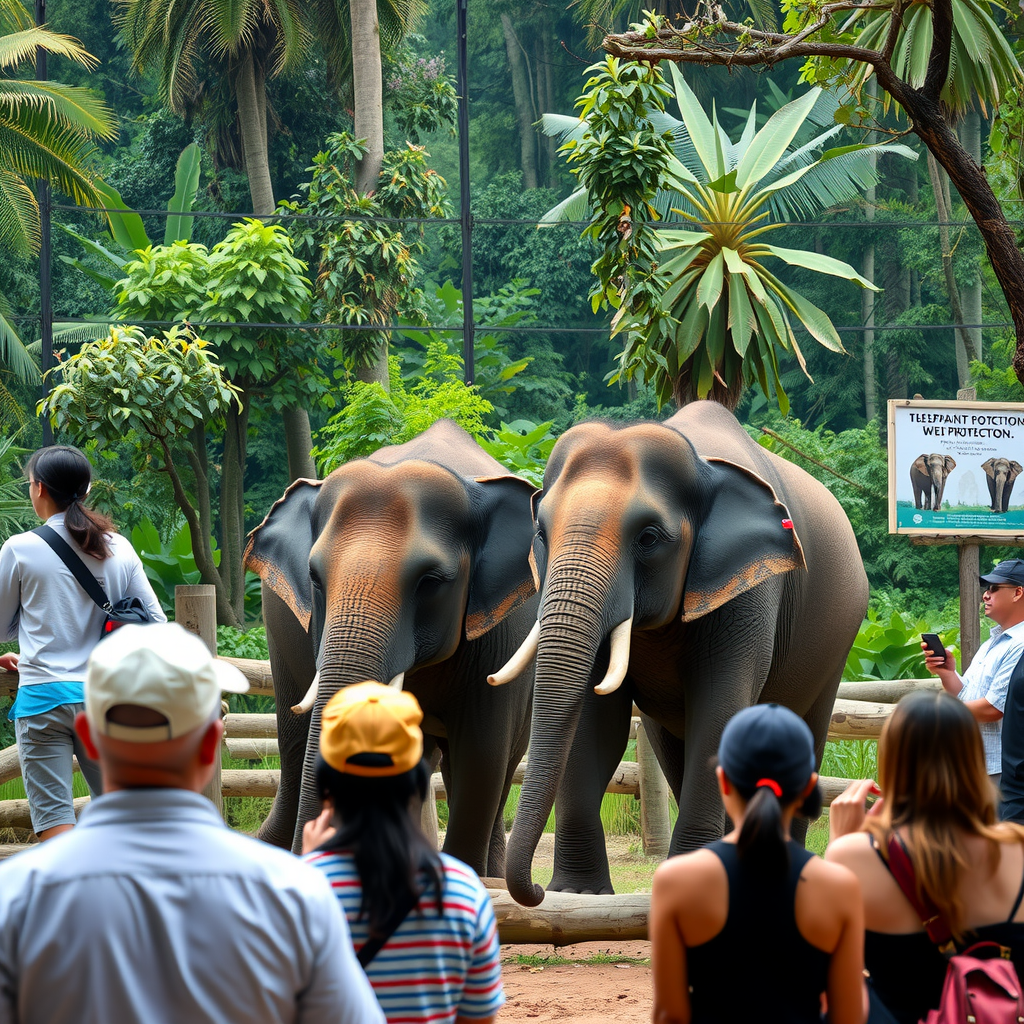
The shift away from exploitative wildlife tourism has been one of the most significant developments in Southeast Asian travel. Elephant sanctuaries in Thailand have replaced riding camps with ethical observation centers where rescued animals roam freely in natural habitats. Visitors learn about conservation efforts, observe elephants from respectful distances, and contribute to rehabilitation programs through their participation fees.
Indonesia's marine conservation projects have gained international recognition for their innovative approaches to protecting coral reefs and sea turtle populations. Dive operators in Raja Ampat and the Gili Islands now incorporate reef monitoring into their tours, training tourists to identify coral health indicators and report findings to marine biologists. This citizen science approach has expanded conservation efforts while educating visitors about marine ecosystems.
The Ozak community actively supports these conservation initiatives by partnering with certified eco-tourism operators who prioritize animal welfare and environmental protection. Through careful vetting and ongoing monitoring, travelers can be confident their experiences contribute positively to wildlife preservation.
Minimizing Environmental Impact: Practical Strategies
Eco-conscious travelers are discovering numerous ways to reduce their environmental footprint while exploring Southeast Asia. Accommodation options have expanded beyond traditional hotels to include eco-lodges built with sustainable materials, powered by renewable energy, and designed to minimize water consumption. Bamboo bungalows in Bali, solar-powered guesthouses in Vietnam, and zero-waste resorts in Thailand demonstrate that comfort and sustainability can coexist.
Reduce Plastic Waste
Carry reusable water bottles, shopping bags, and utensils. Many destinations now offer refill stations and discourage single-use plastics.
Choose Sustainable Transport
Opt for trains, buses, or bicycles over flights when possible. Support local transportation systems and reduce carbon emissions.
Support Local Businesses
Eat at family-owned restaurants, shop at local markets, and hire local guides to ensure tourism benefits community members directly.
Respect Natural Resources
Conserve water, avoid touching coral reefs, stay on marked trails, and never remove natural souvenirs from protected areas.
Transportation choices significantly impact environmental footprints. Travelers are increasingly choosing trains over short-haul flights, renting bicycles for city exploration, and using electric tuk-tuks where available. Vietnam's reunification railway offers a scenic, low-carbon alternative to flying between major cities, while Thailand's expanding metro systems make urban exploration both convenient and sustainable.
Cultural Preservation Through Tourism

Sustainable tourism extends beyond environmental concerns to encompass cultural preservation. Indigenous communities in Indonesia's remote islands have developed cultural tourism programs that share traditional knowledge while maintaining control over how their heritage is presented. Visitors participate in weaving workshops, traditional cooking classes, and ceremonial dances, with community elders ensuring cultural authenticity and respect.
Thailand's hill tribe villages have implemented visitor guidelines that protect cultural integrity while welcoming tourists. These guidelines limit group sizes, restrict photography in sacred areas, and require visitors to dress appropriately and learn basic cultural protocols before entering villages. The result is more meaningful interactions that benefit both visitors and residents.
Language preservation efforts have also gained traction, with tourism initiatives incorporating local language instruction into cultural experiences. Travelers learn basic phrases in minority languages, supporting linguistic diversity while enhancing their ability to connect with local communities. The Ozak community recognizes the importance of cultural sensitivity and provides resources to help travelers prepare for respectful engagement with diverse cultures.
The Economic Impact of Sustainable Tourism
The financial benefits of sustainable tourism are becoming increasingly evident across Southeast Asia. Communities that have embraced eco-tourism report higher income levels, improved infrastructure, and better access to education and healthcare. Unlike mass tourism, which often concentrates wealth in urban centers and international corporations, sustainable tourism distributes economic benefits more equitably.
Small-scale enterprises have flourished under sustainable tourism models. Local guides, homestay operators, craft artisans, and organic farmers have found new markets for their services and products. In Bali's Ubud region, organic farming cooperatives supply eco-lodges and restaurants, creating closed-loop systems that benefit multiple community members while reducing food miles and supporting traditional agricultural practices.
Investment in sustainable infrastructure has created long-term economic opportunities. Solar panel installations, water purification systems, and waste management facilities not only serve tourism operations but also improve quality of life for local residents. These investments demonstrate that environmental responsibility and economic development can advance together.
Technology Enabling Sustainable Travel
Digital innovations are supporting sustainable tourism growth across the region. Mobile applications help travelers find eco-certified accommodations, locate plastic-free restaurants, and access public transportation information. Carbon footprint calculators enable tourists to understand and offset their environmental impact, while blockchain technology is being tested to ensure transparency in sustainable tourism certifications.
Social media has amplified awareness of sustainable practices, with travelers sharing eco-friendly tips and highlighting responsible operators. This peer-to-peer information exchange has created accountability, encouraging businesses to adopt genuine sustainable practices rather than engaging in greenwashing. The Ozak community leverages these digital tools to connect conscious travelers with verified sustainable tourism providers throughout Southeast Asia.
Virtual reality technology is being explored as a tool for conservation education, allowing visitors to experience sensitive ecosystems without physical presence. While not replacing actual travel, these technologies can reduce pressure on fragile environments while still providing educational value and inspiring conservation support.
Challenges and Future Directions
Despite significant progress, sustainable tourism in Southeast Asia faces ongoing challenges. Balancing economic development with environmental protection requires constant vigilance and adaptation. Some destinations struggle with overtourism even as they implement sustainable practices, necessitating visitor management strategies and seasonal restrictions.
Climate change poses existential threats to many tourism-dependent communities. Rising sea levels endanger coastal areas, while changing weather patterns affect agricultural tourism and wildlife viewing opportunities. The tourism industry must not only reduce its own carbon footprint but also help communities adapt to climate impacts.
Education remains crucial for sustainable tourism's continued growth. Both travelers and industry professionals need ongoing training about best practices, cultural sensitivity, and environmental stewardship. Governments, NGOs, and private sector partners must collaborate to develop comprehensive education programs that reach all stakeholders.
Join the Sustainable Travel Movement
The future of Southeast Asian tourism depends on choices made today. By supporting sustainable practices, respecting local cultures, and minimizing environmental impact, travelers can help preserve these incredible destinations for future generations. Every journey is an opportunity to make a positive difference.
Looking Ahead
The momentum behind sustainable tourism in Southeast Asia shows no signs of slowing. As more travelers prioritize environmental and social responsibility, the industry continues evolving to meet these expectations. Innovative partnerships between governments, communities, and private enterprises are creating new models for tourism that benefit everyone involved.
The next decade will likely see further integration of sustainability into mainstream tourism operations. What once seemed like niche eco-tourism is becoming standard practice, with sustainability certifications, carbon-neutral operations, and community partnerships expected rather than exceptional. This normalization of sustainable practices represents a fundamental shift in how tourism operates across the region.
Southeast Asia's natural beauty, cultural richness, and warm hospitality will continue attracting millions of visitors annually. The challenge and opportunity lie in ensuring this tourism enhances rather than diminishes what makes these destinations special. Through continued commitment to sustainable practices, the region can serve as a global model for responsible tourism development.
As travelers increasingly seek authentic, meaningful experiences that align with their values, sustainable tourism in Southeast Asia offers exactly that—opportunities to explore incredible destinations while contributing positively to the communities and environments that make them extraordinary. The journey toward truly sustainable tourism continues, and every traveler has a role to play in shaping its future.